Dental Social Media Marketing: The Complete Strategy for 2026
Most dental social media marketing produces almost nothing because it is built around the wrong goal. Practices post to look active rather than to solve a problem for the person scrolling, and the result is a feed of clinic announcements, holiday greetings and stock images that nobody engages with and that generates no appointments.
The practices getting real results from social media are doing something different. They are answering the questions patients are quietly worried about, in a format that fits how people actually consume content on a phone.
This guide covers what to post, how often, which platforms matter, and how social activity actually converts into booked appointments.
Set the Right Expectation First
Dental social media marketing does not work like search marketing and treating it as though it does leads to disappointment.
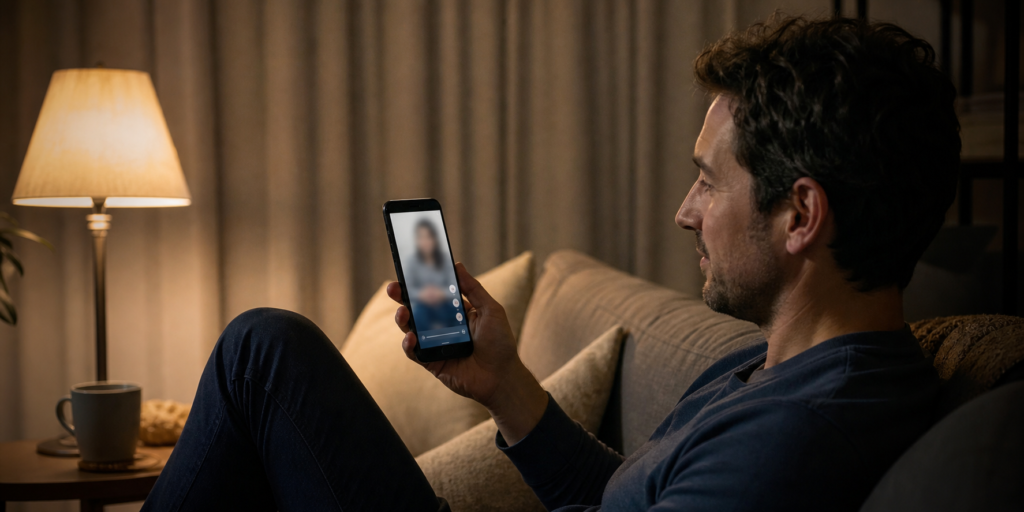
Search captures people who have already decided they need a dentist. Social reaches people who have not. The person scrolling on a Tuesday evening is not looking for a dental practice. That means social content cannot lead with a booking request and expect results.
What social does well is build familiarity and reduce anxiety over time, so that when the trigger does arrive, your practice is the one they already feel they know. It also amplifies everything else, because a patient who has seen your dentist explain something calmly three times is far more likely to click your search result when the moment comes.
The realistic outcome from organic social is trust and recall. Direct bookings come mainly from paid social, covered in our guide on Facebook ads for dentists.
What to Actually Post
Answer one specific worry per post. Whether a procedure hurts. What to do about a chipped tooth over the weekend. Why gums bleed when brushing. Whether a wisdom tooth needs removing. Each of these is a real question that real patients search and worry about.
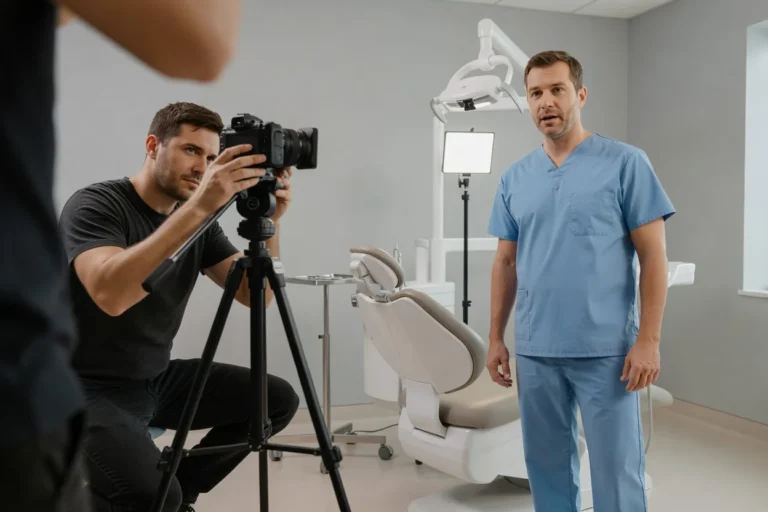
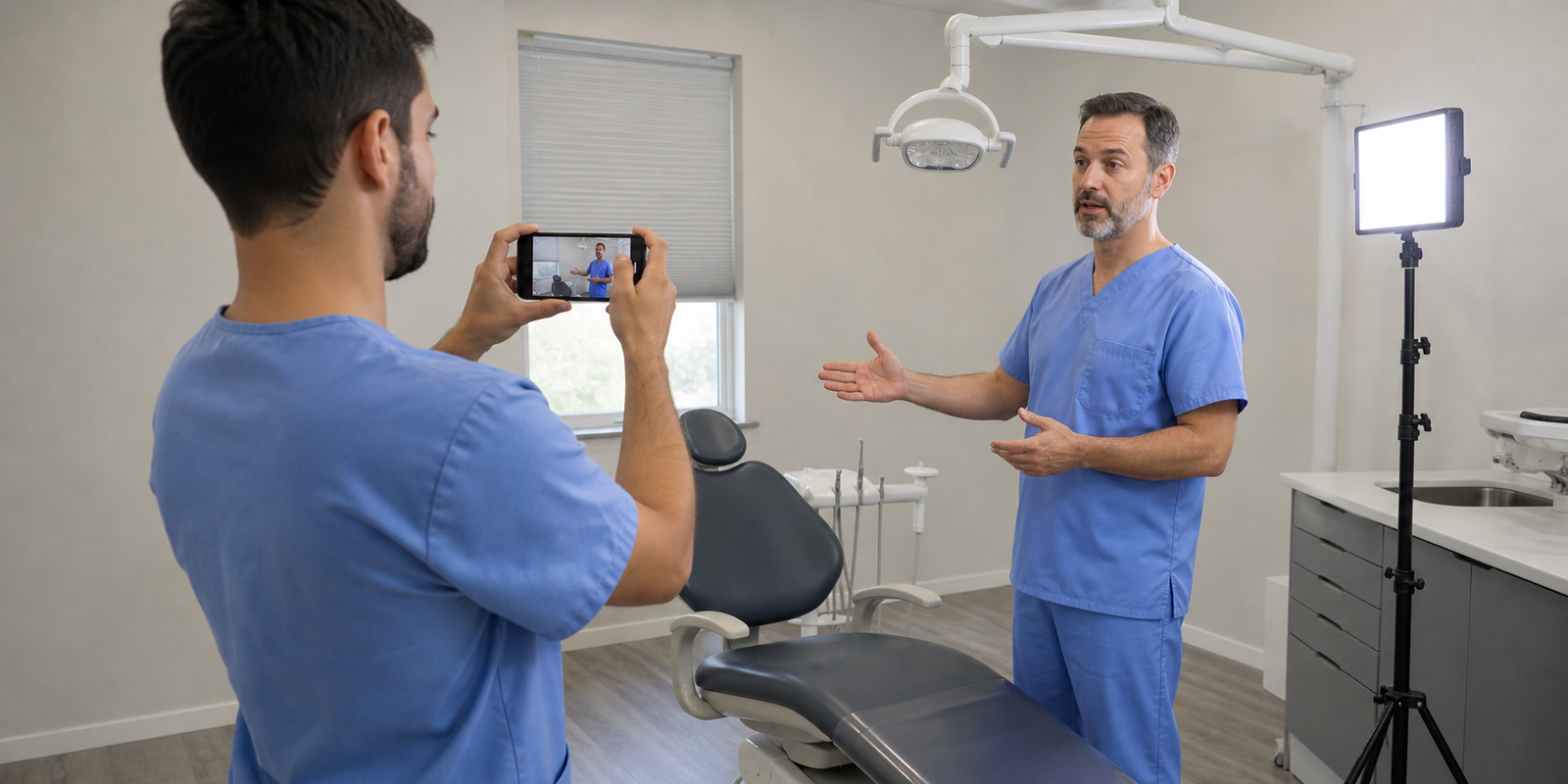
Show the dentist speaking. Face-to-camera video from the actual clinician outperforms every other format in dentistry, because the underlying question the viewer has is whether this person seems trustworthy and calm.
Explain procedures step by step. What actually happens during a filling, an extraction, a scale and polish. Most dental fear is fear of the unknown, and removing the unknown is the single most useful thing dental content can do.
Show the environment. A short walkthrough of the practice removes the anxiety of arriving somewhere unfamiliar. Very few practices do this and it is disproportionately reassuring.
Introduce the team. Not credential lists. Short, human introductions that let the viewer feel they have already met the person who will treat them.
Share patient stories with permission. A patient describing how nervous they were beforehand and how it actually went is the most persuasive content a dental practice can publish.
Answer questions you get asked in the chair. Your team already knows the twenty questions patients ask most. Each one is a post.
Which Platforms Matter
Facebook. Still the strongest platform for dental practices in most markets including Pakistan, particularly for reaching the thirty-five plus demographic who make up a large proportion of higher-value dental treatment. Local community groups also drive genuine word of mouth.
Instagram. Strong for reaching a younger audience and for visual treatments such as orthodontics and cosmetic dentistry. Reels reach considerably further than static posts.
TikTok. Growing rapidly for dental content, particularly educational explanations. Lower commercial intent but very high reach for practices willing to post consistently.
YouTube. Underused by dental practices and arguably the most valuable long term. A procedure explainer video ranked on YouTube keeps generating awareness for years with no ongoing cost, and YouTube results also appear in Google search.
WhatsApp. Not a posting platform but essential in the Pakistani market as the channel where social interest converts into an actual enquiry. Making it easy to message from every profile matters more than the posting itself.
For most practices, doing two platforms properly beats doing five badly. Facebook and Instagram together, with the same content adapted, is the sensible default.
How Often to Post
Consistency matters considerably more than volume, and the most common failure in dental social media marketing is starting at an unsustainable frequency and stopping within two months.
Two to three short videos per week is a realistic and effective cadence for most practices. That is achievable from a single filming session every four to six weeks.
The practical approach is batching. One afternoon of filming produces fifteen to twenty short clips, which covers six to eight weeks of posting. Trying to create content daily alongside clinical work does not survive contact with a busy diary.
Our content creation services handle this filming and editing cycle for dental clients precisely because the production burden is what causes most practices to abandon social media.

What Makes Dental Social Content Work
Hook in the first three seconds. Open with the problem, not the practice name. Someone scrolling decides in under three seconds whether to keep watching.
Subtitle everything. The majority of social video is watched without sound. Video without subtitles loses most of its audience immediately.
Keep it short. Under forty-five seconds for social clips. Attention drops sharply beyond that.
One idea per post. A post answering a single question outperforms one covering a whole treatment category.
Speak the way patients speak. Say the nerve inside the tooth rather than the pulp chamber. Use the words people actually search with.
Film in the actual clinic. Real environment beats polished studio production for trust, and it is cheaper.
Sound quality over image quality. Viewers tolerate a slightly soft image. They will not tolerate poor audio. A basic lapel microphone transforms production quality for very little cost.
Our guide on dental video marketing covers the production side in more depth.
Turning Social Attention Into Appointments
Content alone does not book patients. The connection between the two needs building deliberately.
Make contact obvious on every profile. A visible messaging option, a phone number, and a booking link. Many patients will message from a profile who would never call.
Answer messages fast. A message received at nine in the evening and answered at eleven the next morning has usually already gone elsewhere. This is the same conversion issue that affects every other channel.
Include a soft next step in the content. Not a hard sell. Something along the lines of message us if you want to know whether this applies to you.
Retarget engaged viewers with paid ads. People who watched a significant proportion of your video are a warm audience. A paid campaign targeting them converts far better than advertising to a cold audience.
Send content in follow-up. A patient who enquired but has not booked can be sent the relevant procedure video by message. This addresses their specific hesitation directly and is one of the highest-converting uses of social content.
What to Avoid
Before and after imagery in paid campaigns. Carries platform policy restrictions and professional regulatory considerations. Testimonial video performs better and avoids the issue entirely.
Posting about the practice rather than for the patient. Anniversary posts, equipment purchases and holiday greetings generate no demand.
Buying followers or engagement. Creates an audience that will never book and distorts your data.
Chasing follower count as a goal. Follower numbers do not correlate with appointments. Enquiries do.
Inconsistent posting. Three months of activity followed by six months of silence is worse than a slower sustainable cadence.
Ignoring comments and messages. An unanswered question in the comments is a lost patient and visible evidence to everyone else that the practice does not respond.
Where Social Fits in the Wider Picture
Dental social media marketing works best as one layer rather than as a standalone strategy.
Local search captures people ready to book now. Paid search captures high intent. Social builds the familiarity and trust that makes both convert better, and reaches people before they are searching at all.
For the full system view see our guide on dental practice marketing, and for the strategic sequence see dental marketing strategies. Our social media and content services handle production and posting for dental clients.
To discuss a content plan for your practice, book a strategy session with our team or get in touch directly.
Patient information-seeking research is published by the British Dental Journal, and platform advertising policies for healthcare are published in the Meta Business Help Centre.
Frequently Asked Questions
Does social media marketing work for dental practices?
Organic social builds trust and familiarity over time rather than producing direct bookings. Paid social advertising built on educational content does generate enquiries. Both are worth doing but with different expectations.
What should a dental practice post on social media?
Content that answers one specific patient worry per post. Procedure explanations, what treatments actually feel like, team introductions, clinic walkthroughs and patient stories all outperform practice announcements.
How often should a dental practice post on social media?
Two to three short videos per week is realistic and effective. This is achievable from one filming session every four to six weeks using a batching approach.
Which social media platform is best for dentists?
Facebook remains strongest for reaching the demographic that accounts for most higher-value dental treatment in markets including Pakistan. Instagram works well for younger audiences and visual treatments. YouTube is the most undervalued for long-term return.
Should dental practices post before and after photos?
They carry platform policy restrictions and professional regulatory considerations, particularly in paid advertising. Patient testimonial video generally performs better and avoids those issues.